
The Wood We Use

History in every board
Our materials often come from remarkable places - decommissioned bridges, retired church pews, old school bleachers, and other structures rich with character. By giving this wood a second life, we help keep valuable resources out of landfills while honoring the history carried in every board.
Why we favor these woods
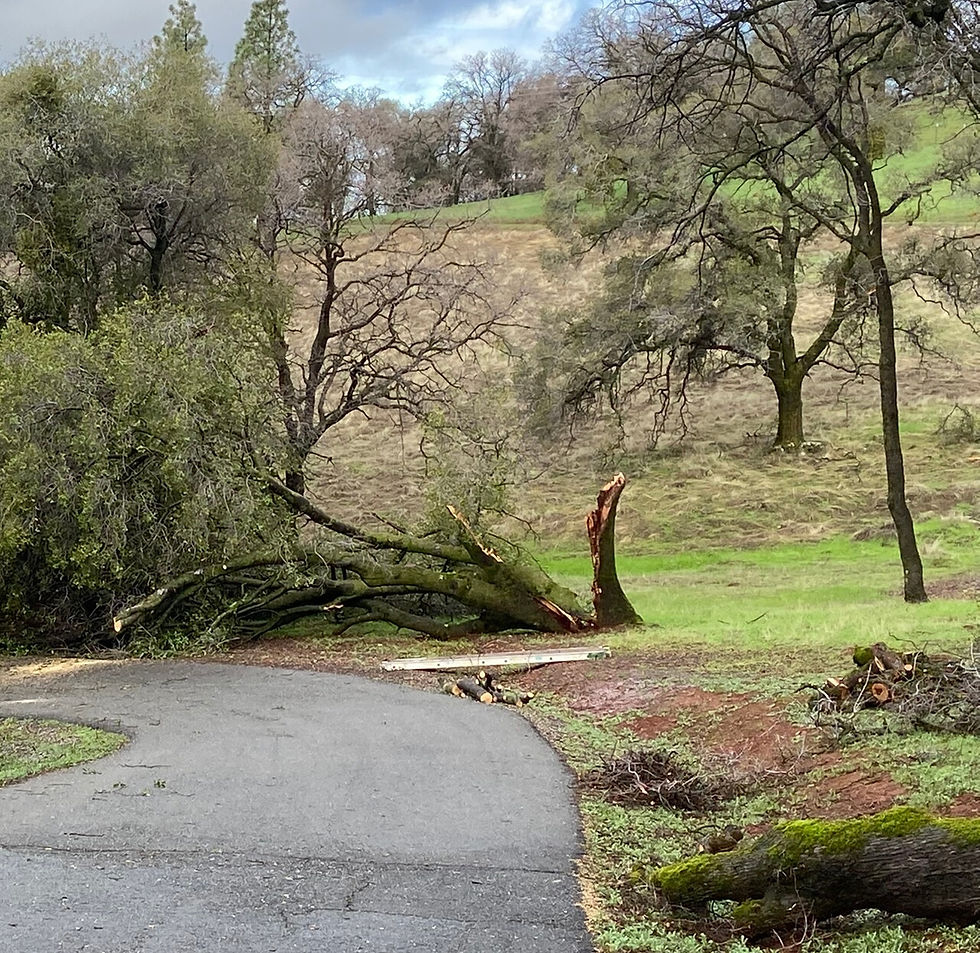
Using reclaimed, salvaged, and urban-harvested wood is a deliberate choice - one rooted in respect for material, place, and longevity. Environmental Stewardship These woods give new life to existing resources, reducing demand for newly harvested timber and keeping valuable material out of landfills. Urban-harvested trees, removed due to age, safety, or development, are milled locally rather than wasted, lowering transportation impacts and honoring trees that once shaped our communities. Material Quality & Character Old timbers often yield dense grain and exceptional stability that is difficult to find in today's lumber market. Weathering, wear, and time leave behind rich patina, texture, and depth - all marks that cannot be replicated. History with a Future. Reclaimed and salvaged woods often come from buildings, barns, schools, bridges and churches - places layered with human stories and memories. Incorporating them into new work preserves that history while extending the material's life into the next generation. Local Connection. Urban-harvested lumber reflects the landscapes we live in. Using local species strengthens regional identity, supports small mills and craftspeople, and keeps the story of the wood close to home. Endurance. Well-made pieces deserve materials with proven resilience. Reclaimed, salvages, and urban woods have already stood the test of time, making them suitable foundations for furniture and objects built to be used, lived with, and passed down.

Understanding the labels
Every project uses materials of importance. Most of our pieces begin with reclaimed, salvaged, repurposed, or urban-harvested lumber. What do these labels mean? Reclaimed Lumber. Wood that has already been used in a structure and is intentionally recovered to reuse. Common sources are old barns, industrial buildings, churches and schools. Character of the wood: aged, seasoned, stable, often dense, and some displaying nail holes, saw marks and patina. Salvaged Lumber. Wood rescued from disposal. It may or may not have been previously used structurally. Common sources include deconstruction sites, remodeling projects, shipping crates, and discarded beams or timbers. This can include reclaimed wood, but conditions vary widely and this type of lumber may require more milling or repair. Repurposed Lumber. Wood that is intentionally used for a different purpose than its original one. This term describes the use, not the source of the lumber, which can be reclaimed or salvaged. Urban-harvested Lumber. Wood milled from trees removed in urban environments, not from forests or demolition. Common sources include storm-fallen trees and trees removed from development and safety. This wood is usually fresh-cut and needs drying. It often showcases wide slabs and unique grain.